
Building Your Dream: A Practical Guide to Construction in Pakistan
The construction of a house is considered among the most important achievements of many Pakistani families. It does not only involve putting up walls and a roof, but rather the creation of an area where memories would be created for years to come. Regardless of whether you plan to construct a small 5-marla house within a housing society or a huge commercial plaza within the city markets, the process may seem both exciting and intimidating at once.
Unlike the process of purchasing a constructed property, the construction process requires meticulous planning and patience, as well as a number of crucial decisions. However, due to the lack of knowledge, experience and awareness of the construction process, most Pakistani homeowners opt to begin with the process itself, and then struggle with its problems, such as excessive budget spending, improper construction and numerous difficulties.
In actuality, the successful construction of any building requires three main factors – a proper plan, quality materials and experienced constructors. Having them altogether results in constructing a property capable of functioning properly for decades to come.
The Blueprint: Why Design Should Come First
In Pakistan, one of the biggest mistakes made by homeowners is commencing construction without having first developed an architectural plan or professionally designed blueprint. Many people use rough sketches done by informal contractors or replicate the design of their neighbours to get construction underway quickly, which often results in many unforeseen issues after construction has begun.
By not developing a solid set of construction plans, the result can be that some walls may have to be torn down and rebuilt, plumbing pipes may not align with the fixtures, and some rooms can end up being poorly designed due to bad ventilation or inefficient use of space. These types of things have a double impact: wasted time and additional cost to incur as building continues. This is why hiring a professional architect or structural engineer at the very beginning of a project is probably one of the best investments you can make. An architect will create a well-designed set of plans, allowing you to optimise the space you have available for your new construction.
In many urban locations where land is very limited or extremely expensive, it is extremely valuable to have a well-thought-out layout and design of the space you have to build on – so that all areas of a small home feel expansive and comfortable. Design professionals really look hard at things like climate and orientation too. During the hot summers in Pakistan, making sure windows are strategically placed and can allow for proper ventilation or airflow will help to reduce the need for air conditioning inside.
Another major benefit of professional planning is the creation of a Bill of Quantities (BOQ). This document outlines exactly how much material will be required for the project — from cement bags to steel bars. Having this estimate beforehand allows you to prepare a realistic budget and avoid unpleasant financial surprises.
Simply put, good design saves money, improves comfort, and prevents costly mistakes.
Choosing the Right Construction Materials
Once the planning stage is complete, the next crucial step is selecting construction materials. The strength and durability of your building depend largely on the quality of materials used during construction.
In Pakistan’s local market, construction materials vary widely in quality. While cheaper options may seem attractive initially, they can compromise the structural integrity of the building in the long run.
Here are some of the most essential materials used in construction and why they matter:
Using reliable suppliers and checking material quality before purchase can significantly improve the durability of your building.
Material | Primary Use in the Build |
Cement | Foundations, Plaster, and Grey Structure |
Steel | Reinforcement of Slabs, Beams, and Pillars |
Bricks | Load-bearing and Partition Walls |
Sand/Gravel | Creating the concrete “recipe” |
Understanding Construction Costs in 2026
Budgeting is one of the biggest challenges for anyone planning construction. Prices of building materials in Pakistan fluctuate frequently due to factors such as fuel costs, transportation expenses, and government taxes.
The grey structure — which includes foundations, columns, beams, walls, and roof slabs — usually consumes the largest portion of the construction budget. Two materials dominate this stage: cement and steel.
As of 2026, average market rates in Pakistan are approximately:
Material | Average Price Range |
Cement (per bag) | PKR 1,100 – 1,400 |
Steel (per ton) | PKR 230,000 – 270,000 |
Bricks (per 1,000) | PKR 12,000 – 15,000 |
These prices can vary depending on the city, supplier, and transportation costs.
A useful tip many experienced builders follow is to purchase cement and steel gradually in phases rather than buying the entire requirement at once. Cement, in particular, is sensitive to moisture and can deteriorate if stored improperly for long periods.
By purchasing materials according to construction stages, you can maintain quality while managing cash flow more efficiently.
Why Professional Contractors Make a Difference
In an effort to reduce expenses, many homeowners in Pakistan choose to manage construction themselves and hire labor directly. While this approach might appear cost-effective, it often leads to inefficiencies and mistakes.
Construction requires technical knowledge, coordination, and supervision. Without proper oversight, issues such as incorrect concrete ratios, poor brick alignment, or weak reinforcement placement can occur.
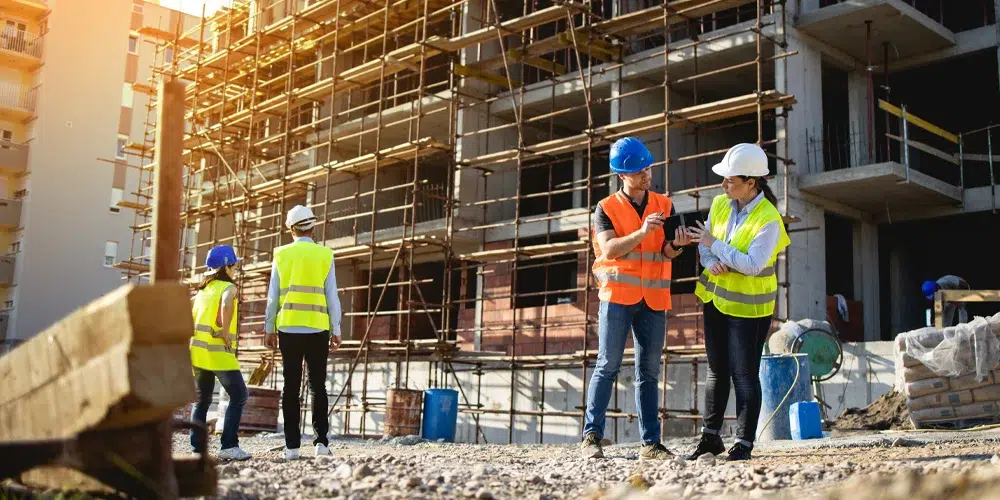
Professional contractors bring experience and organization to the process. They oversee daily work, ensure correct construction practices, and manage the workforce efficiently.
A qualified contractor handles tasks such as coordinating masons and laborers, scheduling deliveries of materials, and ensuring that construction progresses according to plan.
Perhaps most importantly, professional supervision helps maintain construction quality and prevents costly structural problems in the future.
The Typical Construction Process
Understanding the sequence of construction helps homeowners track progress and communicate effectively with contractors.
The process usually begins with site preparation, where the plot is cleared and the building layout is marked according to the approved design.
Next comes excavation and foundation work. Trenches are dug for footings, and the base structure is built to support the entire building.
Once the foundation is ready, the grey structure begins to take shape. This stage includes constructing columns, beams, brick walls, and roof slabs.
After the main structure is complete, utility installations such as electrical wiring, plumbing lines, and drainage systems are added. These are usually concealed within walls and floors.
The final stage involves finishing work, including plastering, flooring, tiling, paint, doors, and fixtures. This phase gives the building its final appearance and comfort.
Before handing over the property, a thorough inspection should be carried out to check for issues such as water leakage, cracks, or faulty electrical connections.
Conclusion
Building a house or commercial building in Pakistan is much more than an investment; it is a dream that may take years to accomplish. Building a home or business involves a lot of hard work and patience.
With proper planning, design, and use of quality materials, a building will be durable and cost-effective.
Ultimately, the stability of a building depends on how strong the foundations of the building are.
The foundation of a building is not only about the materials used underground; it is more about the planning and design done before building a building.

Discover a plethora of investment opportunities and luxuriant real estate ventures with Apex Group. Our trusted team of professionals is determined to deliver the finest services in an effort to remodel the property landscape of Pakistan.
Quick Links
Join us
Get updates on special events